How to Set Boundaries, and Actually Make Them Stick
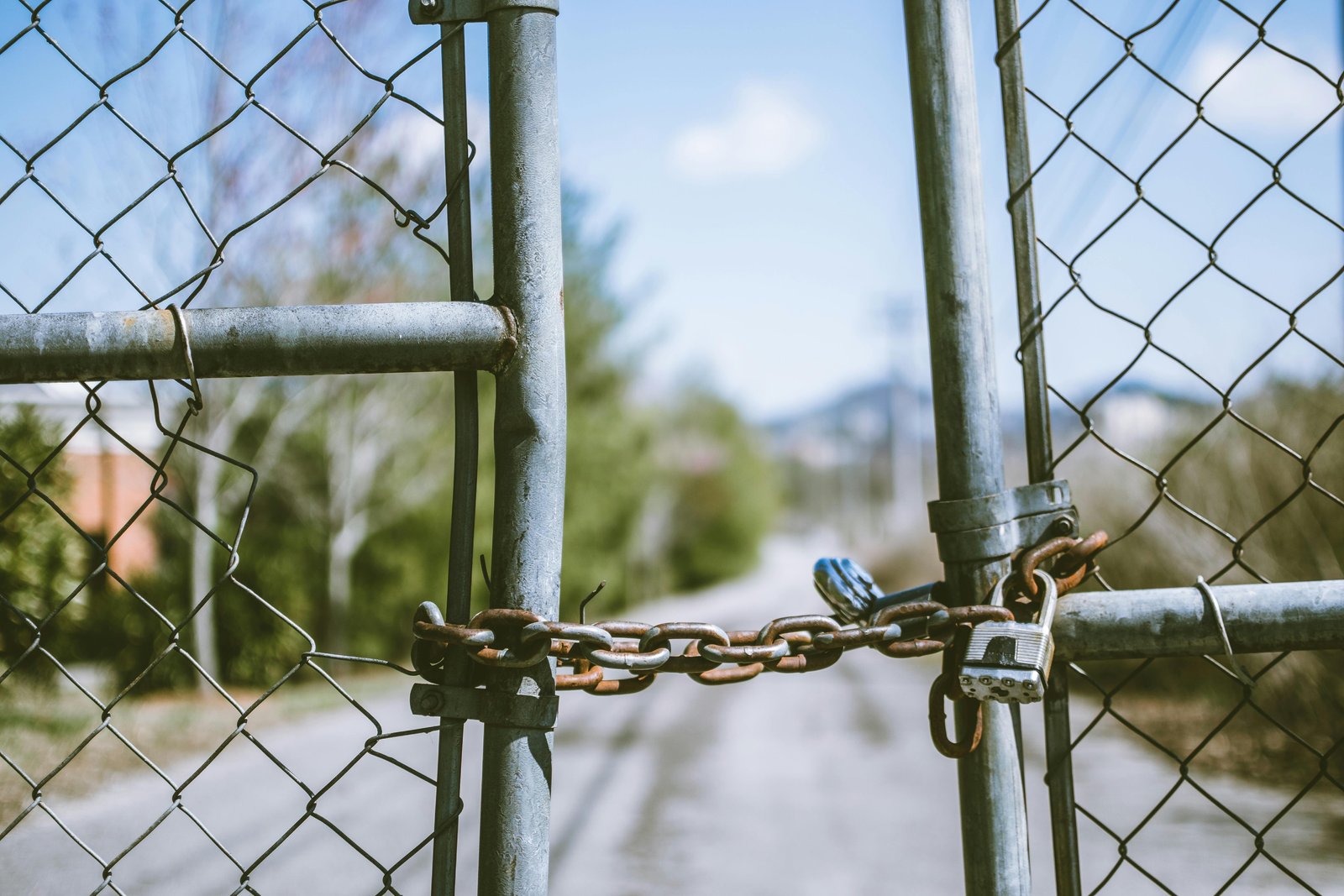
Boundaries are basically the emotional, physical, and mental lines we draw so people don't drain us, take advantage of us, or make us lose our minds. They are the space we need to stay grounded, feel like ourselves, and keep our well-being intact. It's how we protect our peace and our autonomy in relationships.

What are some practical tips to enforce boundaries?
Clear Communication
Speak up for yourself in a way that's direct but not dramatic. Use "I" statements so you stay grounded in your own needs.
For example: instead of hinting or hoping someone magically reads your mind, say, "I need some alone time tonight." Not "You should leave me alone," not "Ugh I'm exhausted," not silent resentment. Just…say the thing.
Set Consequences
Boundaries without consequences are just… suggestions. Read that again if you need to. If someone keeps pushing, tell them what will happen.
For example: "If you keep making comments about my dating life after I've asked you not to, I'll need to take a step back from our conversations." This is not a threat, it's a result of someone not respecting you.
Be Consistent
If you set a boundary on Tuesday but let it slide on Thursday, people will get confused. Think of it like training a puppy…except the puppy is a grown adult who should know better. Enforce your boundaries the same way each time so people understand that you are serious.
Seek Support
Sometimes setting boundaries feels like emotional weightlifting—you get stronger, but it helps to have a spotter. In individual counseling I would hype you up, help you rehearse what to say, and remind you that you're not "too much" for wanting basic respect.
Stay Firm but Calm
Warning: this is easier said than done. When someone crosses the line, you don't need to become a volcano and blow. Do your best to stay cool and clear.
You may want to say: "I hear what you're saying, but I'm still not comfortable talking about that." Calm + firm = power
Use Body Language
Your words matter, but so does how you say them. Hold your head up, keep your shoulders back, make eye contact. Even if you feel like a wobbly baby deer inside, your body language helps communicate: I mean what I'm saying.
Limit Exposure
The reality is, not everyone is going to respect your boundaries. If someone absolutely refuses to respect your boundaries, after you've been clear, consistent, and kind, you're allowed to step away. That might mean shorter visits, fewer texts, or in extreme cases, going no-contact. Protecting your peace is not rude; it's necessary.

Set Boundaries in Advance
When starting something new (i.e. job, friendship, situationship) put your needs on the table early.
Example: "Just a heads up, I'm not available after 9 PM for texts unless it's important," or "I don't gossip about coworkers" or "I do not lend money to friends" or "I do not drink." Starting early saves you about 47 future headaches (exact number TBD.)
Recognize Manipulative Behavior
Some people will test you by guilt-tripping, gaslighting, or playing the victim to get you to cave. Notice it. Name it to yourself. Don't fall for it.
Example: If you say "I can't hang out tonight" and they respond with, "Wow, I guess you don't care about me anymore," that's not love, that's manipulation.
Respect Others' Boundaries
Healthy boundaries go both ways. If you honor other people's lines, like backing off when someone says they're tired or not pressing for details they don't want to share, they're way more likely to respect yours too. It sets the tone for mutual, grown-up, healthy connection.

Back Pocket Phrases
"Please do not touch me without asking."
"I prefer not to discuss this topic; let's change the subject and talk about something else."
"I have scheduled this time for myself, so I will not be available during that period."
"I need to make decisions that are right for me, even if you disagree."
"I prefer to split expenses when we go out."
"I have decided not to drink alcohol tonight."